

Ambient IoT: Battery-Free Sensors for Smarter Supply Chains
Ambient IoT is becoming one of the most practical Internet of Things trends of 2026 because it solves a problem that has slowed many sensor projects for years: batteries.
Traditional IoT tracking works well when the asset is valuable enough to justify a powered device, a subscription, maintenance, and replacement cycles. That model makes sense for vehicles, medical equipment, shipping containers, industrial machines, and high-value tools. It breaks down when a business wants live data from pallets, cartons, crates, reusable packaging, store shelves, cold-chain shipments, and everyday goods moving through large supply networks.
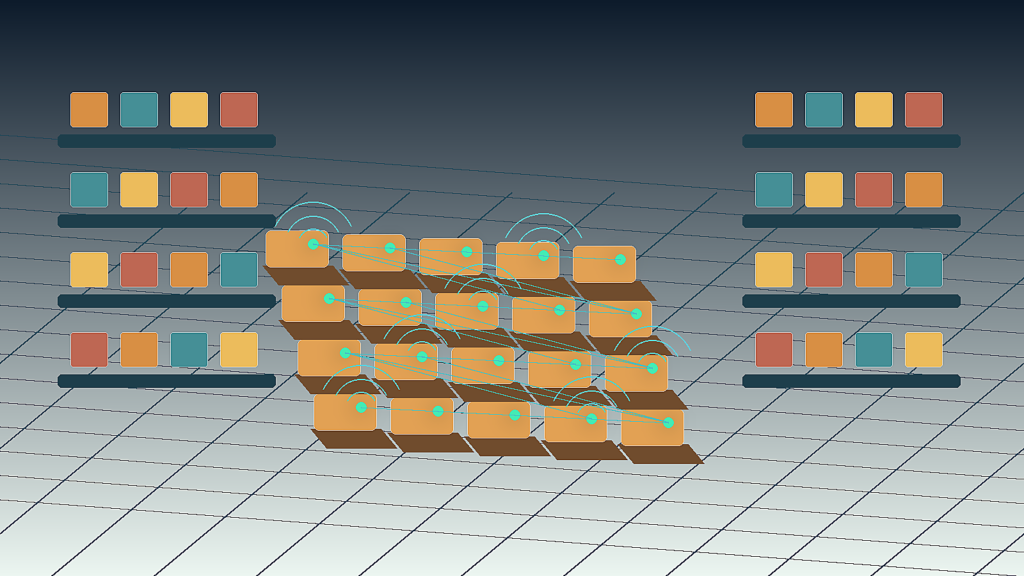
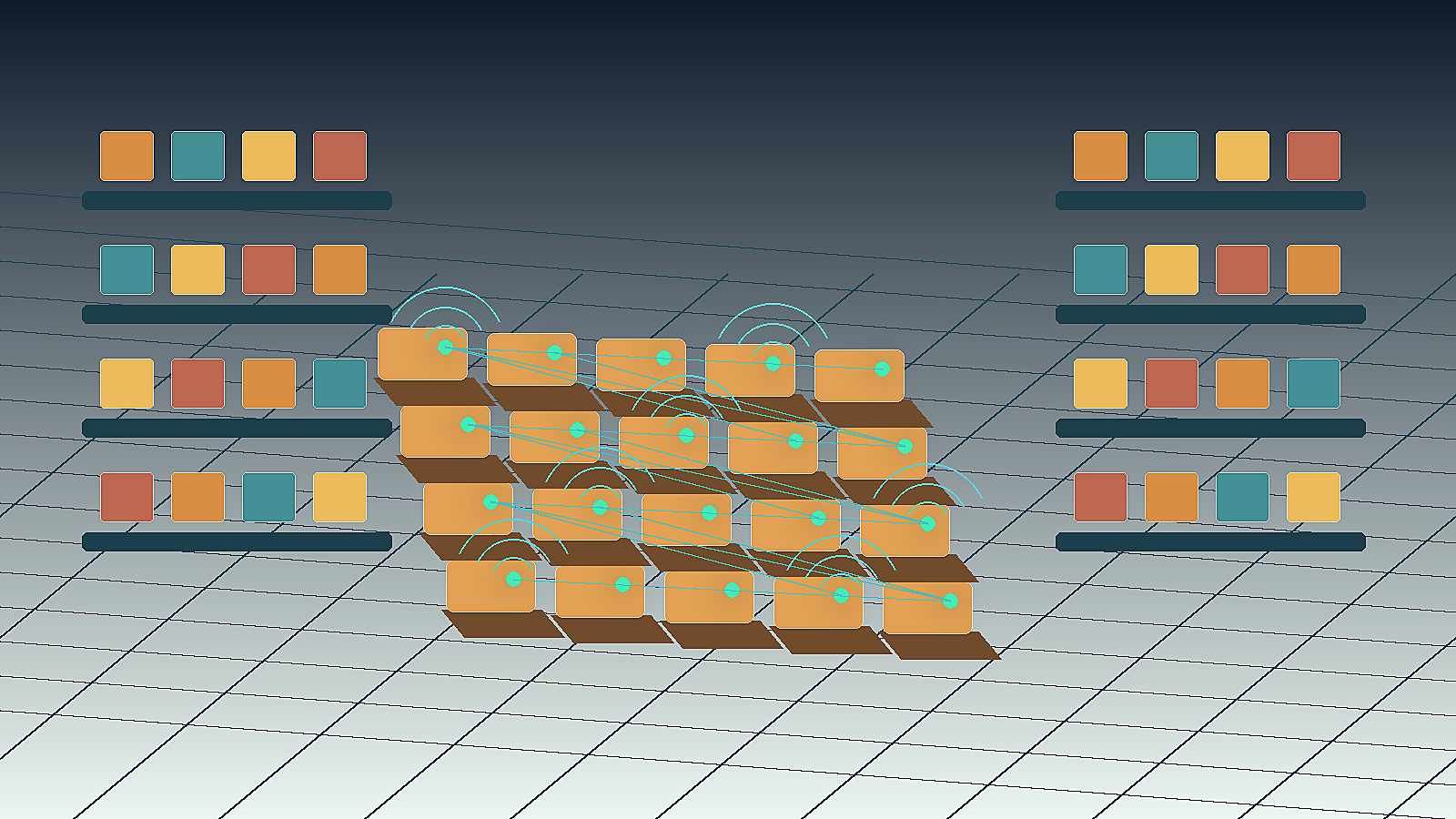
Ambient IoT changes the economics. Instead of relying on conventional batteries, ambient IoT devices harvest small amounts of energy from sources around them, such as radio waves, light, motion, or heat. The sensors can be thin, low-cost, and attached to items that previously could not justify active tracking.
The result is a new business question: what becomes possible when companies can sense the physical world at item, case, or pallet scale without managing millions of batteries?
Why Ambient IoT Is Trending Now
Three forces are making ambient IoT more relevant for business leaders.
First, large supply chains need fresher data. Forecasts, barcode scans, RFID reads, and periodic manual checks are useful, but they often describe what a company thinks happened. Ambient IoT can provide more continuous signals about where goods are, how long they stayed there, and whether temperature, humidity, motion, or handling conditions changed.
Second, standards work is moving forward. 3GPP lists Release 19 as the second phase of 5G-Advanced and points to a work plan for its priority topics and timeline. Ambient IoT is part of the broader Release 19 conversation around ultra-low-power connected devices and future cellular IoT architectures. Recent research on 3GPP ambient IoT describes it as a battery-less, energy-harvesting device model for dense deployments, while another 2026 paper explores how access control can keep reporting reliable when many tiny devices try to communicate at once. See the 3GPP Release 19 overview at https://www.3gpp.org/specifications-technologies/releases/release-19 and the May 2026 research on ambient IoT access at https://arxiv.org/abs/2605.04966.
Third, real deployments are making the idea less theoretical. The Financial Times reported in October 2025 that Walmart planned to use Wiliot sensors on about 90 million grocery pallets annually across its U.S. stores and distribution centers by the end of 2026, with data including location, temperature, dwell time, and condition feeding into AI systems. That matters because it shows ambient IoT being used for everyday operational work, not only lab demonstrations. Source: https://www.ft.com/content/3bc2afe8-aaed-4224-a0b9-7a0e2e5dd603.
What Ambient IoT Actually Means
Ambient IoT refers to networks of small connected devices that gather energy from their surroundings and report simple data. A device might include a tiny processor, antenna, radio, sensor, and secure identity. Depending on the design, it may be fully battery-free or battery-assisted.
The important point is not that each device is powerful. It is that each device is cheap enough and low-maintenance enough to be deployed at huge scale.
An ambient IoT tag might report:
- Location changes
- Temperature exposure
- Humidity or moisture
- Motion, vibration, or shock
- Dwell time in a zone
- Door, package, or container status
- Product freshness or handling conditions
- Proximity to a reader, shelf, truck, gateway, or phone
This makes ambient IoT different from both classic RFID and traditional IoT. RFID is good for identification and inventory events, but it often depends on readers and point-in-time scans. Conventional IoT devices can stream richer data, but they cost more and usually need batteries. Ambient IoT sits between those models: more sensing than simple identification, with far lower maintenance than a powered tracker.

Real-World Applications
Retail and Grocery Supply Chains
Retail is one of the clearest use cases because the business value of better inventory visibility is immediate. A grocery retailer wants to know which pallets are in the warehouse, which are on the truck, which arrived at a store, how long fresh goods waited, and whether temperature-sensitive items stayed within policy.
Ambient IoT can help by turning pallets, crates, or shipping labels into live operational signals. Instead of relying only on manual scans or delayed system updates, managers can get a more current picture of inventory movement.
For retailers, the business impact can include:
- Fewer out-of-stock events
- Less food waste from poor temperature handling
- Faster replenishment decisions
- Better labor planning because fewer manual checks are required
- More accurate AI forecasting because models receive fresher physical-world data
The last point is especially important. AI-powered inventory systems are only as good as the data they receive. If the physical supply chain is poorly instrumented, the AI layer has to infer too much. Ambient IoT improves the sensing layer.
Food Safety and Traceability
Food traceability is another strong application because regulators and consumers both care about speed during recalls. The FDA’s Food Traceability Rule requires additional records for certain foods and emphasizes key data elements tied to critical tracking events across the supply chain. The FDA currently states that Congress directed it not to enforce the rule before July 20, 2028, but the direction of travel is clear: food businesses need better traceability systems. FDA source: https://www.fda.gov/food/food-safety-modernization-act-fsma/fsma-final-rule-requirements-additional-traceability-records-certain-foods.
Ambient IoT can help companies capture some of that operational evidence automatically. A sensor attached to a crate of produce could help record temperature exposure, time in transit, handoff points, or dwell time. That does not replace governance, data standards, or supplier cooperation. It does reduce the gap between what happened physically and what is recorded digitally.
For small and mid-sized food businesses, the main opportunity is not to tag everything immediately. It is to start with high-risk, high-value, or highly perishable product flows where traceability, waste reduction, and customer trust can justify the investment.
Healthcare, Pharma, and Cold Chain Logistics
Pharmaceuticals, vaccines, lab samples, medical devices, and specialty foods often depend on strict handling conditions. A shipment may be financially valuable, clinically important, or regulated. If the cold chain breaks, the product may become unsafe or unusable.
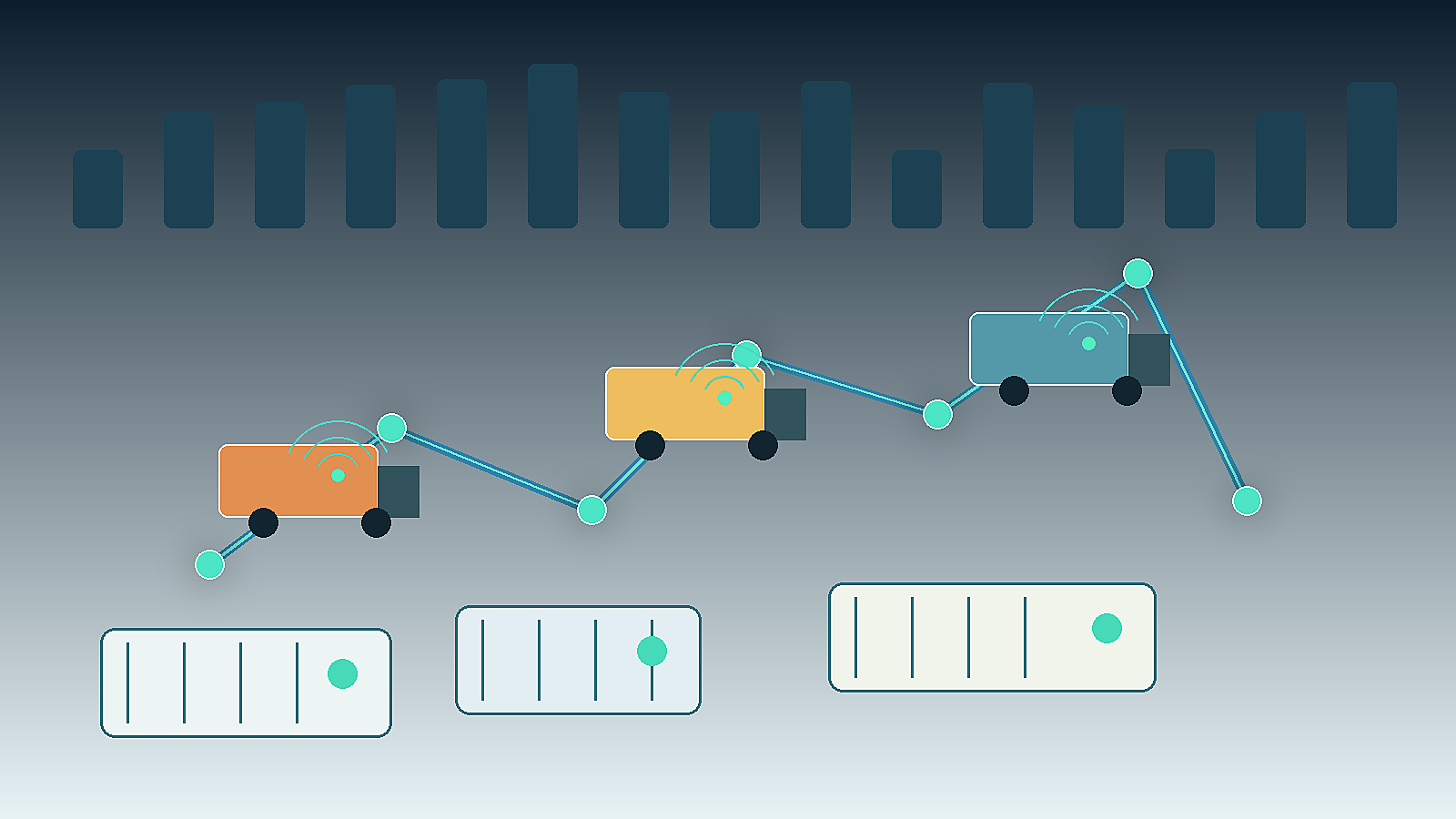
Ambient IoT can provide a lower-cost way to monitor more containers, packages, or lanes. Businesses can use the data to detect temperature excursions, identify weak transfer points, compare carrier performance, and document handling history.
This is where ambient IoT becomes a risk management tool. The value is not only the sensor. The value is the evidence trail that helps a company decide whether to release, inspect, reroute, or reject a shipment.
Manufacturing and Reusable Assets
Factories and warehouses already use scanners, machine vision, robotics, programmable logic controllers, and warehouse management systems. Ambient IoT can fill gaps around parts, totes, racks, pallets, work-in-progress inventory, and reusable transport packaging.
For example, a manufacturer could track which component lots entered a production cell, how long a part waited between steps, or whether a reusable container returned to the right facility. A logistics team could identify idle assets, lost totes, or bottlenecks in handoff areas.
This is useful because many operational delays are not caused by the main machine. They are caused by missing materials, unclear location data, manual reconciliation, and waiting time between process steps.
Business Impact: From Tracking to Decision Automation
The real promise of ambient IoT is not a dashboard full of dots. It is decision automation.
When physical-world data becomes more continuous, businesses can trigger actions automatically:
- Reorder inventory when shelf or pallet signals confirm stock is low
- Reroute perishable goods when temperature exposure crosses a threshold
- Prioritize unloading based on dwell time and freshness
- Alert staff when high-value items leave an approved zone
- Improve demand forecasts with actual movement data
- Compare suppliers and carriers using handling-condition evidence
- Reduce audits by collecting traceability data as work happens
In other words, ambient IoT gives AI and operations systems a better sensing layer. A machine learning model can forecast demand, but it needs accurate signals from stores, warehouses, trucks, and shelves. A planning system can optimize routing, but it needs to know where goods really are. A compliance team can prepare records, but it benefits from data captured during the process instead of reconstructed after the fact.
Risks and Limits to Manage
Ambient IoT is promising, but it is not magic. Businesses should plan around several risks.
Coverage and Reliability
Battery-free devices depend on available energy and reader infrastructure. Performance can vary by environment, material, distance, interference, packaging, and motion. Dense deployments also create communication challenges. Recent research on ambient IoT networking notes that battery-less devices can face energy availability and collision issues when many devices report data in the same area.
Companies should pilot in real operating conditions, not only in a clean lab. The right question is not “does the tag work?” The better question is “does the whole read, gateway, network, data, and workflow chain work at the scale and reliability our process needs?”
Security and Privacy
Every connected object can become part of an attack surface. Ambient IoT devices may be small, but the systems around them still need secure identity, authentication, access control, firmware governance, data minimization, and monitoring.
Privacy matters too. A tag on a pallet is one thing. A tag on a consumer product, uniform, prescription package, or reusable medical container can raise different questions. Businesses should define what data is collected, who can access it, how long it is retained, and when identifiers are disabled or rotated.
Data Quality
Ambient IoT can create a large volume of low-level signals. That data is only useful if it is clean, contextualized, and connected to business records such as purchase orders, SKUs, lots, shipments, facilities, and events.
Without good data modeling, companies may simply create more noise. The best programs connect sensor events to operational decisions: waste reduction, recall speed, shrink reduction, labor efficiency, asset utilization, or customer experience.
Total Cost
Low-cost tags do not mean a zero-cost system. Businesses still need readers, gateways, integration, data platforms, application logic, device lifecycle processes, and change management. The strongest use cases are usually tied to expensive errors: spoilage, stockouts, recalls, lost assets, compliance failures, or manual labor at scale.
How Businesses Should Start
Ambient IoT projects should start with a narrow operational problem, not a broad sensor strategy.
A practical first pilot might focus on:
- A high-waste fresh food category
- A high-value pharma or lab shipment lane
- Reusable transport packaging that is often lost
- A store replenishment process with frequent stockouts
- A warehouse handoff where manual checks slow work
- A regulated product flow that needs better traceability evidence
Define the decision you want to improve before choosing tags. For example, “reduce fresh produce spoilage by identifying temperature excursions earlier” is stronger than “track pallets.” It tells the team which data matters, where sensors should sit, how alerts should work, and what ROI should be measured.
The pilot should also include operations staff early. Ambient IoT changes how work is seen and measured. If the system creates alerts that workers cannot act on, it will fail. If it removes manual checks and gives staff clearer priorities, adoption becomes easier.
What to Watch Next
Ambient IoT is still developing, so the next two years matter.
Watch 3GPP Release 19 and related standards work because interoperability will shape vendor choices. Watch Bluetooth and cellular ecosystem support because reader availability affects deployment economics. Watch large retailers and logistics providers because scaled deployments will reveal which use cases deliver measurable savings. Watch security guidance because tiny connected objects still need trustworthy identity and lifecycle controls.
Also watch the relationship between ambient IoT and edge AI. Many signals will not need to travel to a central cloud in raw form. Gateways, phones, store systems, and edge servers can filter events, detect anomalies, and trigger actions locally. That will matter for cost, latency, privacy, and resilience.
FAQ
Is ambient IoT the same as RFID?
No. RFID is mainly used for identification and scan events. Ambient IoT can include identification, but it also aims to collect sensor data such as temperature, motion, humidity, location changes, dwell time, and handling conditions using very low-power devices.
Does ambient IoT always mean battery-free?
Not always. Some devices are fully battery-free, while others are battery-assisted. The common idea is ultra-low-power operation and energy harvesting that reduces maintenance compared with conventional IoT trackers.
Which businesses should care first?
Retailers, grocers, food producers, pharmaceutical logistics teams, manufacturers, warehouse operators, and companies managing large fleets of reusable assets should pay attention first. The strongest ROI appears where manual tracking, spoilage, stockouts, recalls, or lost assets are expensive.
What is the biggest implementation risk?
The biggest risk is treating ambient IoT as a tag purchase instead of an operations system. The tags must work with readers, workflows, data platforms, security controls, and decision rules. A focused pilot tied to one measurable business problem is the safest starting point.
Bottom Line
Ambient IoT matters because it brings the cost and maintenance profile of physical-world sensing closer to the scale of real supply chains. Instead of tracking only expensive assets, companies can begin tracking ordinary operational objects such as pallets, crates, shelves, containers, and packages.
For businesses, the opportunity is practical: fresher inventory data, faster traceability, less waste, better cold-chain evidence, smarter AI decisions, and fewer manual checks. The winners will not be the companies that attach sensors everywhere. They will be the companies that connect ambient IoT data to decisions that save time, reduce risk, and improve service.